
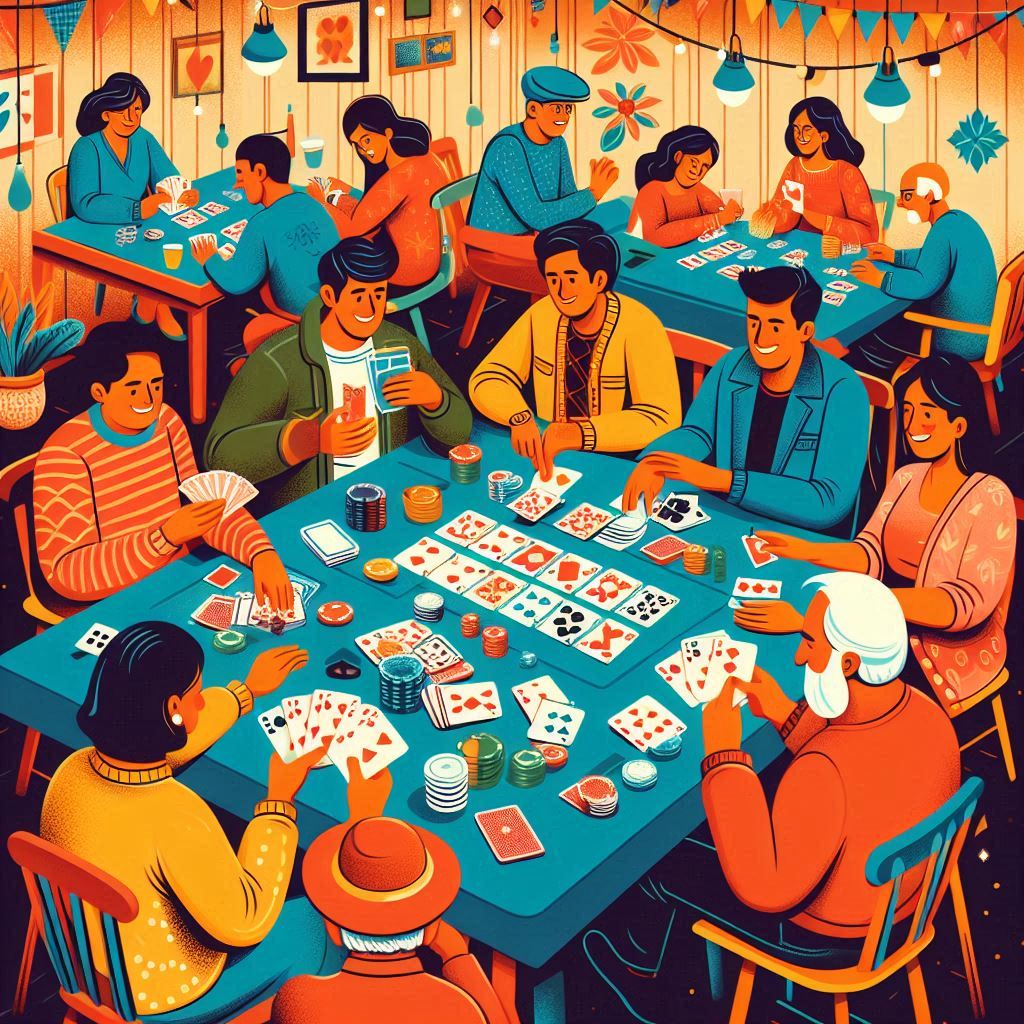
dramanews.org – Across the world of card gaming, players encounter dozens of formats—five-card games, seven-card games, trick-taking formats, shedding games, matching sets, and more. But few formats are as fast, suspenseful, and universally adaptable as the three-card game. So when someone asks, “What is the 3 card game called?”, the answer isn’t just one title — it’s an entire family of influential games shaped around dealing each player only three cards.
Three-card formats are famous for their explosive speed, intense decision-making, and simple structures. They are easy to learn, thrilling to play, and deeply ingrained in the global history of card games. Unlike longer, more strategic formats like Poker or Rummy, three-card games emphasize quick reads, bold decisions, and razor-sharp intuition.
Today, we’ll break down the most iconic 3-card game variations, explain how each one works, explore their cultural reach, and uncover why three-card formats remain timeless across continents.
Why Three-Card Games Exist
A three-card hand creates a unique dynamic:
-
Fast gameplay → rounds last minutes, not hours
-
High variance → the short structure adds unpredictability
-
Tension and excitement → each card matters more
-
Simple onboarding → beginners can learn in one sitting
-
Pure psychology → plenty of bluffing opportunities
Three-card formats evolved around the world independently. They were favored in taverns, boats, villages, barracks, and casinos because they fit perfectly into short breaks or casual gatherings.
The Most Famous 3 Card Game: Three Card Poker
If someone mentions “the three-card game” in a casino, the universal answer is:
⭐ Three Card Poker
Three Card Poker is one of the most popular casino table games in the world. Created in 1994 by Derek Webb, it was designed to combine Poker strategy with fast-paced gameplay and high payout potential.
How Three Card Poker Works
1. The Deal
-
Player receives 3 cards.
-
Dealer receives 3 cards (face-down).
2. Two Betting Choices
Players can place:
-
Ante bet → compete against the dealer
-
Pair Plus bet → paid based on your own hand, regardless of dealer outcome
3. Dealer Qualification
Dealer must have Queen-high or better to qualify.
4. Hand Rankings
The rankings are slightly different than classic Poker because with only three cards:
-
Straight beats Flush
-
Three of a Kind remains extremely strong
-
Straight Flush is the ultimate hand
This ranking system makes the game more mathematically exciting.
Why Three Card Poker Is a Global Favorite
Fast and Thrilling
Each round takes under a minute.
Beginner-Friendly
Players don’t need deep Poker knowledge.
Great for Casinos
Casinos love the house edge structure.
Perfect Blend of Luck & Strategy
Just enough decision-making without complexity.
Highly Popular in Live and Online Casinos
Both land-based and digital versions thrive.
Three Card Poker is the flagship modern three-card format, but it’s far from the only one.
Other Legendary 3-Card Game Variations
The three-card family is huge. Below are the most influential games across cultures, regions, and eras.
1. Three-Card Brag (United Kingdom)
Three-Card Brag is the grandfather of Three Card Poker. Originating in the 1700s, it’s still wildly popular in pubs, private homes, and British card circles.
How It Works
-
Each player gets 3 cards
-
Betting rounds follow a bluff-based structure
-
Best 3-card Poker-style hand wins
Why It’s Beloved
-
Massive bluffing culture
-
Social and loud
-
Simple rules
-
Strong gambling tradition
Three-Card Brag’s influence is monumental. Without it, Three Card Poker would not exist.
2. Teen Patti (India, Pakistan, Nepal)
Teen Patti (“Three Cards”) is one of the most played real-money card games in South Asia.
Core Gameplay
-
3 cards dealt to each player
-
Blind and seen bets
-
Bluffing central to the game
-
Poker-style rankings
-
Optional side pots and house rules
Why Teen Patti Is Iconic
-
Cultural tradition during Diwali
-
High-stakes excitement
-
Millions of players daily
-
Online Teen Patti apps dominate India’s mobile markets
Teen Patti is arguably the most socially influential three-card game in the world.
3. Three-Card Monte (Street Con Game)
Not a game to play—but a game to avoid. Three-Card Monte is a classic street hustle, not a legitimate card game.
How It Works
-
Operator places one key card among three
-
Shuffles them quickly
-
Player tries to follow and guess
-
Sleight of hand + misdirection ensure player always loses
Although not a real “game” in the fair-play sense, Three-Card Monte remains part of cultural lore in cities worldwide.
4. Three-Card Rummy
A casino and home-game variation combining Rummy scoring with a three-card hand.
Goal
-
Create the lowest-value hand
-
Pairs and sequences reduce total score
-
Aces count as low
Why People Enjoy It
-
Fast-paced
-
Light strategy
-
Great for casual or real-money play
5. Faro (Historical 3-Card Variation)
Faro was extremely popular in 18th-century America (especially the Old West). Although tension revolves around ranks rather than hand-building, many Faro formats deal players three cards at specific stages.
Why It’s Historically Important
-
Played by cowboys, criminals, and politicians
-
Featured in American frontier literature
-
One of the earliest “casino-style” games in the U.S.
Though nearly extinct today, it shaped early gambling culture.
6. Troika (Russian Three-Card Game)
A trick-taking game where players use three cards and attempt to win specific tricks.
Why It’s Unique
-
Hybrid between Poker and trick-taking
-
Popular in informal gatherings
-
High-variance and high-bluff dynamics
7. Austrian Dreiblatt
A simplified regional gambling game using three cards.
Reason for Popularity
-
Very fast
-
Perfect pub-game timing
-
Strong bluffing component
Hand Rankings Across 3-Card Game Variations
Most three-card games use a modified Poker ranking system. Here’s the widely accepted standard:
1. Straight Flush
Best possible hand in three-card formats.
2. Three of a Kind
Exceptionally powerful in short-deck play.
3. Straight
Ranked above Flush in most 3-card games due to probability differences.
4. Flush
5. Pair
6. High Card
These rankings balance unpredictability and fairness across small hand sizes.
Why 3-Card Games Are Culturally Significant
Three-card formats appear across centuries of human play because of their universal advantages:
1. Perfect for Quick Games
Three-card hands produce fast rounds, perfect for:
-
pubs
-
lunch breaks
-
festivals
-
trains
-
parties
-
casual casinos
2. Easy Learning Curve
Anyone can learn a three-card game in minutes. This makes them ideal for beginners.
3. Ideal Balance of Chance and Skill
Three cards force players to rely on:
-
card-reading
-
betting psychology
-
bold decision-making
-
calculating risk vs. reward
4. Deep Cultural Footprints
Different societies created their own versions:
-
UK → Brag
-
India → Teen Patti
-
U.S. → Three Card Poker
-
Russia → Troika
-
Europe → Dreiblatt
Three cards became a universal gaming language.
5. Perfect for Bluffing
With only three cards:
-
information is limited
-
ranges are wide
-
bluffs are believable
-
players can outsmart opponents
This makes 3-card formats psychologically rich.
Three-Card Games in Modern Casinos and Online Platforms
Even today, three-card games thrive because:
Casinos favor fast games
More rounds → more bets → more excitement.
Mobile gaming loves short gameplay loops
Teen Patti, Three Card Poker, and 3-Card Rummy dominate mobile charts.
Players enjoy immediate action
Three-card formats deliver instant adrenaline.
Content creators love them
Easy to stream
Fast to explain
Exciting to watch
The digital age expanded the cultural footprint of three-card games even further.
Which 3-Card Game Should You Play?
For beginners or casual players:
Best for Learning Probability
Three Card Poker
Best for Social Play
Teen Patti
Best for Bluffing Practice
Three-Card Brag
Best for Fast Gambling
Casino Three Card Poker
Best for Cultural Experience
Teen Patti or Brag (depending on the region)
Best for Avoiding at All Costs
Three-Card Monte — pure scam
So, what is the 3 card game called?
There isn’t just one answer — but the most globally recognized is Three Card Poker, followed closely by influential classics like Three-Card Brag, Teen Patti, Three-Card Rummy, and other regional variations.
Across centuries and cultures, three-card formats have thrived because they deliver fast tension, powerful bluffing dynamics, memorable moments, and simple rules that anyone can learn. When exploring 3-card game variations, you quickly discover how deeply embedded these games are in human social tradition.
No matter where you play or what version you choose, three-card games remain some of the most exciting, dynamic, and culturally rich experiences in the entire card-gaming world.

